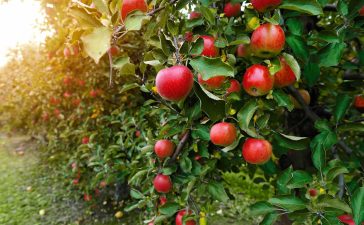


Pear trees are often seen as more temperamental than apples and therefore less suitable for cooler regions. This reputation is only partly deserved. While pears do demand careful variety choice, modern breeding and a better understanding of microclimates mean that growers across much of the UK can now achieve reliable harvests. From exposed northern sites to heavy clay soils in the Midlands, the right pear tree can perform well with modest attention.
For gardeners browsing fruit trees for sale, pears deserve more consideration than they often receive. They reward patience with fruit that stores well, ripens off the tree, and offers flavours rarely matched by shop-bought imports. This article sets out seven pear varieties that have proven themselves in cooler UK conditions, drawing on orchard experience rather than theory. The focus is on resilience, cropping reliability, and flavour, rather than novelty.
Specialist commentary from an established online nursery is included early on, followed by practical guidance on choosing, growing, and maintaining pears in less-than-ideal climates. The aim is to provide a clear, grounded reference for British gardeners who want dependable results rather than experimentation for its own sake.
Practical advice from a specialist nursery
Growers often underestimate how much variety choice influences success with pears in the UK. According to advice from the fruit tree specialists at ChrisBowers, selecting cultivars bred or proven for cooler conditions makes a greater difference than soil amendments or feeding regimes. They note that many failures attributed to “poor pear performance” are actually down to planting varieties better suited to continental summers.
They also highlight the importance of matching rootstock vigour to site conditions and available space, particularly in smaller gardens or allotments. On their pear trees for sale page , guidance is given on choosing trees that balance manageable growth with consistent fruiting, which is especially relevant in cooler areas where excessive vegetative growth can come at the expense of crops.
This practical approach underpins the variety choices discussed below. Rather than focusing on heritage alone or chasing the latest introductions, the emphasis remains firmly on pears that cope well with British weather patterns, including late springs, cool summers, and unpredictable rainfall.
What makes a pear suitable for cool climates
Understanding why some pears thrive in cooler climates while others struggle helps gardeners make informed decisions. Pears generally flower earlier than apples, which makes them vulnerable to late frosts. Varieties suited to cooler regions tend to have either later flowering or greater frost tolerance in their blossom, reducing the risk of crop loss in spring.
Summer warmth also plays a role. Pears require enough heat to mature their fruit properly, but some cultivars need far less accumulated warmth than others. Those bred in northern Europe or selected from long-established British orchards are often better adapted to modest summer temperatures. In contrast, varieties popular in France or southern Europe may grow well but fail to ripen fruit satisfactorily in a cool year.
Disease resistance is another key factor. Cooler, wetter conditions favour problems such as scab and canker. Pear varieties that show natural resistance reduce the need for spraying and cope better with damp seasons. Growth habit matters too. Upright, spur-bearing trees are often easier to manage and crop more reliably than those with excessive vigour, which can be exacerbated by fertile soils common in parts of the UK.
Pollination should not be overlooked. In cooler springs, pollinator activity can be limited. Varieties with overlapping flowering periods and some degree of self-fertility offer insurance against poor weather during bloom. Taking these factors together explains why the following pears have earned their place in UK orchards.
Conference – the reliable benchmark
Conference remains the most widely planted pear in Britain, and for good reason. It was raised in England in the late nineteenth century and has proved remarkably adaptable to a wide range of climates. Its narrow, elongated fruit ripens reliably even in cooler summers, provided the tree is not overly shaded.
One of Conference’s key strengths is its partial self-fertility, which makes it a good choice for gardens with space for only one pear tree. It also flowers relatively late, reducing the risk of frost damage. The fruit has a distinctive, slightly russeted skin and a sweet, aromatic flavour when allowed to ripen off the tree. Picked firm and stored correctly, Conference pears can keep well into autumn.
From a grower’s perspective, Conference is forgiving. It crops young, responds well to pruning, and tolerates a range of soils, including heavier clays if drainage is adequate. Disease resistance is generally good, though like all pears it benefits from good airflow to reduce scab risk.
While some dismiss Conference as commonplace, its reliability in cool climates makes it an ideal reference point. Many of the other varieties discussed here are compared, implicitly or explicitly, against its performance.
Concorde – consistency with improved flavour
Concorde is a modern variety bred specifically to improve on Conference while retaining its strengths. It combines the cropping reliability and disease resistance of its parent with a smoother texture and slightly sweeter flavour. For gardeners who appreciate Conference’s dependability but want something marginally more refined, Concorde is a sensible alternative.
In cool climates, Concorde performs particularly well. It flowers at a similar time to Conference and shows good tolerance to spring chills. The fruit is larger and more uniform, with a green skin that remains attractive even in damp summers. Like Conference, it ripens well off the tree, making it suitable for harvesting before autumn weather deteriorates.
Tree habit is upright and manageable, making Concorde suitable for training as an espalier or cordon against a sunny wall, which can further improve ripening in cooler regions. Its disease resistance is strong, reducing the need for intervention.
Although still less common in older orchards, Concorde has built a reputation among professional growers for its consistency. For home gardeners, it offers reassurance that modern breeding can enhance flavour without sacrificing resilience.
Beth – early cropping for shorter summers
Beth is an early-season pear that suits areas with shorter or cooler summers, where later varieties may struggle to reach maturity. Raised in the UK, it was specifically selected for its ability to crop reliably under British conditions. The fruit is smaller than that of Conference, but its sweet, juicy flavour more than compensates.
One of Beth’s standout qualities is its early bearing. Trees often produce fruit within two to three years of planting, which is appealing for gardeners keen to see results. Flowering is mid-season, and while not frost-proof, Beth has shown good resilience in cooler springs.
Because it ripens earlier, Beth avoids some of the problems associated with autumn weather, such as wasp damage and rot. The fruit is best eaten fresh and does not store as long as later pears, but its role as a reliable early cropper makes it valuable in a mixed orchard.
Beth trees are moderately vigorous and respond well to pruning. They suit a range of training forms and can be grown successfully in most parts of the UK, including northern England and sheltered sites in Scotland. For gardeners in marginal climates, Beth often succeeds where others disappoint.
Invincible – strength against disease
Invincible lives up to its name primarily through its strong resistance to pear scab, a disease that can be particularly troublesome in cool, wet climates. Originally developed in France, it has adapted well to UK conditions and is valued for reducing reliance on chemical controls.
The fruit is medium-sized, with a greenish-yellow skin and a mild, sweet flavour. While perhaps not as distinctive as some dessert pears, Invincible’s reliability makes it a practical choice. It flowers mid-season and is reasonably tolerant of spring frosts, especially when grown in open, airy sites.
In cooler regions, Invincible benefits from good light levels to ensure adequate ripening. Training against a wall or fence can improve results, though free-standing trees also perform well in favourable positions. Its growth habit is balanced rather than overly vigorous, making it easy to manage.
For gardeners prioritising low-maintenance growing, Invincible is particularly appealing. In areas where damp conditions make disease management challenging, its natural resistance can mean the difference between a usable crop and a disappointing one.
Onward – a traditional choice that endures
Onward is a traditional British pear that has fallen out of commercial favour but remains valued by experienced growers. Its main advantage lies in its late flowering, which helps it avoid frost damage in exposed or colder sites. This trait alone makes it worth considering for northern or upland gardens.
The fruit is large and often slightly irregular in shape, with a rich, sweet flavour when properly ripened. Onward pears are typically picked firm and allowed to mature indoors, where their texture improves significantly. They store reasonably well, extending the eating season into late autumn.
Tree vigour is moderate to strong, so Onward suits larger gardens or orchard settings more than small plots unless grown on a dwarfing rootstock. It benefits from thinning in heavy cropping years to maintain fruit quality.
While not as fashionable as newer varieties, Onward’s proven track record in cool climates is difficult to ignore. For gardeners willing to accommodate a slightly larger tree, it offers both resilience and character.
Doyenné du Comice – careful choice, rich reward
Doyenné du Comice is often considered a connoisseur’s pear, prized for its exceptional flavour. It is less forgiving than other varieties on this list, yet with careful siting it can succeed even in cooler UK climates. The key is providing as much warmth and shelter as possible.
In favourable conditions, Comice produces large, round fruit with a melting texture and intense sweetness. Flowering is mid-season, and while not especially frost-hardy, planting against a south-facing wall can mitigate risks. In cooler summers, wall training also helps ensure adequate ripening.
Disease resistance is moderate, so good airflow and hygiene are important. Comice is not the first choice for exposed sites, but in sheltered gardens it can be outstanding. Its inclusion here reflects the fact that “cool climate” does not necessarily mean “no ambition”.
For gardeners prepared to invest a little more effort, Comice demonstrates that high-quality dessert pears are not confined to warmer regions.
Choosing and growing pears in cooler UK regions
Selecting the right variety is only part of the equation. In cooler climates, attention to planting position and early care can significantly influence success. Pears benefit from full sun, shelter from prevailing winds, and well-drained soil. Even hardy varieties perform better when given these basics.
Rootstock choice affects both tree size and cropping behaviour. Quince rootstocks are commonly used to control vigour and encourage earlier fruiting, which can be advantageous in cooler regions. However, soil compatibility matters, and in heavier or more alkaline soils, appropriate rootstock selection is essential.
Pruning should be measured. Excessive winter pruning can encourage vegetative growth at the expense of fruiting, particularly in fertile soils. Summer pruning, where appropriate, helps balance growth and improves light penetration, aiding ripening.
Finally, patience is important. Pears often take longer than apples to settle and crop consistently. Once established, however, a well-chosen pear tree can produce reliably for decades, even in less-than-ideal climates.
By focusing on proven varieties and sound growing practices, British gardeners can enjoy pears that rival anything available commercially, regardless of latitude or summer warmth.