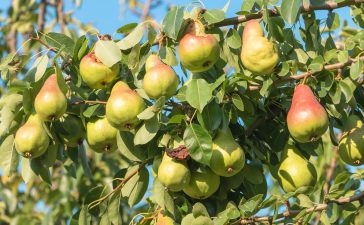


Effective watering underpins the vitality of any orchard, particularly in the variable British climate where spells of drought can alternate with heavy downpours. Fruit trees, such as apples, pears, and plums, rely on consistent moisture to develop strong roots and produce abundant yields. Poor hydration leads to stunted growth, cracked fruits, and increased susceptibility to pests, while optimised practices enhance resilience and longevity. This article presents six straightforward habits to refine your approach, drawing on established horticultural principles tailored to domestic and small-scale orchards. By adopting these, growers can foster healthier trees without excessive effort or resources.
For those establishing a new orchard, selecting appropriate varieties is the first step. If you are ready to buy fruit trees suited to your soil and space, reputable sources offer a range that includes disease-resistant rootstocks ideal for temperate conditions. A fruit trees specialist at https://www.fruit-trees.com/ nursery emphasise that initial watering routines set the foundation for decades of productivity: “Establishing deep-rooted habits early prevents surface drying and promotes uniform moisture distribution, reducing long-term irrigation needs” (fruit tree watering guide). This guidance aligns with broader care strategies, underscoring the importance of measured application over sporadic drenching.
Habit 1: Assess Soil Moisture Before Irrigating
Understanding your soil’s current state forms the cornerstone of efficient watering. Rather than adhering to a rigid schedule, which risks over- or under-watering amid Britain’s unpredictable weather, perform regular checks to gauge actual needs. Insert a trowel or soil probe to a depth of 15-20 centimetres around the tree’s drip line—the area beneath the outermost branches where roots predominantly absorb water. If the soil crumbles easily without clinging, it signals dryness; if it forms a tight ball that holds shape when squeezed, moisture levels are adequate.
This method proves especially beneficial for apple trees, which thrive in well-drained loams but suffer in waterlogged conditions. In regions like the South East, where summer droughts persist longer, weekly assessments from May to September can conserve water by avoiding unnecessary applications. Data from the Royal Horticultural Society indicates that such targeted irrigation can reduce usage by up to 30 per cent while maintaining tree vigour.
To implement this habit, maintain a simple log noting probe results alongside rainfall records from a local weather station. Over time, patterns emerge: clay-heavy soils retain moisture longer than sandy types, informing adjustments. For newly planted specimens, prioritise this check bi-weekly during the first year, as establishment roots extend shallowly. Integrating organic matter, such as compost, enhances soil structure, further stabilising retention.
Beyond apples, this approach suits pears and cherries, which share similar tolerances. In cooler northern areas, where evaporation rates dip, assessments might occur fortnightly, freeing time for other tasks. Ultimately, this proactive measure not only bolsters growth—evidenced by fuller canopies and earlier fruit set—but also mitigates issues like root rot from excess saturation. By attuning to the soil’s signals, orchard keepers cultivate a responsive regime that adapts seamlessly to seasonal shifts.
Habit 2: Prioritise Deep, Infrequent Watering Sessions
Shallow, frequent sprinklings encourage surface roots that desiccate quickly, whereas deep watering compels roots to delve deeper, accessing stable groundwater reserves. Aim for sessions that penetrate 30-45 centimetres into the soil, typically requiring 20-40 litres per mature tree, depending on size and conditions. Conduct these every 7-10 days during dry periods, allowing the topsoil to dry between applications to prevent fungal proliferation.
In British orchards, this mirrors natural rainfall patterns, promoting drought tolerance essential against increasingly erratic summers. For apple varieties like Cox’s Orange Pippin, which demand consistent hydration for crisp fruit quality, deep soaks in early June support blossom retention post-frost risks. Horticultural trials at East Malling Research demonstrate that trees under this regime exhibit 15-20 per cent greater biomass accumulation compared to those receiving light daily mists.
Delivery methods matter: soaker hoses or drip lines laid along rows ensure even distribution, minimising evaporation losses that can exceed 40 per cent with overhead sprays in windy conditions. Position emitters near the drip line to target active feeder roots, avoiding the trunk to deter rot. For smaller plots, a watering can with a rose attachment suffices, though automating via timers conserves labour.
Extend this to mixed orchards including stone fruits; plums, for instance, benefit from the same depth to avert splitting during sudden rains. Monitor for signs of adequacy: wilting leaves midday that recover by evening indicate borderline stress, prompting an extra session. Over seasons, this habit yields trees with robust frameworks, capable of withstanding gales and yielding harvests that rival commercial standards. It embodies efficiency, transforming watering from a chore into a strategic enhancement of orchard sustainability.
Habit 3: Apply Mulch to Conserve and Regulate Moisture
A layer of organic mulch acts as a natural barrier, suppressing evaporation and moderating soil temperature fluctuations that exacerbate water loss. Spread 5-8 centimetres of bark chips, straw, or well-rotted manure around each tree, extending to the drip line but keeping it 5 centimetres from the trunk to inhibit pest harbourage. Refresh annually in spring, as decomposition gradually replenishes nutrients.
This practice resonates in the UK’s temperate zones, where mulch mimics forest floor conditions familiar to fruit tree progenitors. For apple orchards in the Midlands, it can retain up to 70 per cent more soil moisture during July heatwaves, per studies from the Agriculture and Horticulture Development Board. Consequently, trees display enhanced leaf turgor and fruit sizing, with reduced instances of bitter pit—a calcium deficiency linked to irregular uptake.
Selection of materials influences outcomes: coarser mulches like wood chips excel in weed suppression, while finer composts integrate slowly for steady feeding. Avoid fresh grass clippings, which mat and ferment, potentially fostering slugs. In acidic soils common to Scotland, incorporate lime-stable options to maintain pH balance around 6.0-7.0, optimal for nutrient absorption.
Mulching dovetails with integrated pest management, as the barrier disrupts weed cycles that compete for water. For younger trees, a thicker initial layer—up to 10 centimetres—accelerates establishment, cutting irrigation frequency by half in the critical first two years. Observers note denser branching and earlier bearing as hallmarks of mulched plots. This habit not only streamlines maintenance but fortifies the orchard’s ecosystem, fostering biodiversity through retained humidity that supports beneficial invertebrates.
Habit 4: Time Watering to Align with Tree Physiology
Synchronising irrigation with the tree’s growth phases maximises efficiency, directing moisture where it most influences development. Focus intensified efforts during bud swell in spring, fruit expansion in summer, and post-harvest recovery in autumn, tapering in dormancy when needs plummet. Early morning applications, between 6-9 a.m., minimise foliar wetting that invites mildew, prevalent in humid southern England.
Apple trees exemplify this: during June drop, when surplus blossoms shed, supplemental water bolsters retained sets, potentially increasing yields by 10-15 per cent according to Long Ashton Research data. Evening watering risks overnight dew buildup, heightening disease pressure, so dawn timing prevails. In variable climates, apps tracking evapotranspiration—balancing precipitation and solar radiation—refine precision, alerting to deficits before visible stress.
For broader application, pears require similar phasing but with emphasis on post-bloom to prevent russeting from moisture deficits. Integrate rain gauges to quantify inputs; if weekly totals fall below 25 millimetres, supplement accordingly. This temporal alignment extends to fertiliser uptake, as hydrated soils facilitate ion mobility, enhancing potassium delivery for fruit colouration.
Seasonal adjustments prove vital: in Wales’ wetter west, physiological timing might involve drainage checks rather than additions during wet spells. Over years, attuned growers report uniform ripening and extended storage life, attributes prized in British markets. This habit elevates watering from routine to rhythmic, harmonising human intervention with arboreal cycles for sustained productivity.
Habit 5: Monitor and Adjust for Microclimates
Orchards often encompass diverse microenvironments influenced by topography, aspect, and shelter, necessitating bespoke watering adjustments. South-facing slopes dry faster due to solar exposure, demanding 20 per cent more volume than shaded north sides, while windbreaks reduce transpiration in exposed sites. Map your plot using a compass and inclinometer, grouping trees by exposure for tailored regimes.
In the UK’s fragmented landscapes, this granularity counters broad forecasts’ limitations. For instance, valley-bottom apples may retain fog-trapped moisture, averting needs met elsewhere on hilltops. Research from the National Fruit Collection highlights that unadjusted watering in heterogeneous settings correlates with 25 per cent yield variability, underscoring the value of site-specific calibration.
Employ tensiometers—inexpensive probes measuring soil tension—to quantify variances, aiming for readings below 30 centibars in the root zone. Alternatively, the finger test suffices for smaller scales: moist at depth signals sufficiency. Adjust hose placements or install zoned drip systems for automation, ensuring equitable delivery.
This extends to urban fringes, where concrete heat islands amplify demands; mulching proves doubly effective here. Cherries in frost pockets benefit from pre-winter soaks to insulate roots against heaves. Long-term, microclimate awareness yields resilient stands, with balanced vigour across the plot. It transforms potential weaknesses into managed assets, optimising growth in Britain’s mosaic terrains.
Habit 6: Incorporate Rainwater Harvesting for Sustainability
Capturing and reusing rainfall diminishes reliance on mains supplies, aligning with eco-conscious British gardening ethos. Install butts connected to guttering from sheds or greenhouses, filtering through gravel for clarity before deployment. A 1000-litre tank suffices for a modest orchard, yielding 500-800 litres per 10-millimetre downpour.
This method suits fruit trees’ preference for soft, tepid water over chlorinated tap equivalents, which can induce leaf scorch. In drought-prone East Anglia, harvested reserves sustain July gaps, preserving soil microbiology disrupted by hard water. Environment Agency reports affirm that such systems cut household usage by 10-15 per cent, while enriching orchards with naturally aerated supplies.
Position tanks downhill for gravity feeds to drip lines, or use pumps for elevation. Winter overflows prevent stagnation; add vents for oxygenation. For apples, this supports organic certification by minimising chemical residues. Integrate with permaculture by lining butts with aquatic plants to deter algae.
Broader adoption fosters self-sufficiency: in community allotments, shared harvesting rotates equitably. Trees respond with vigorous extension shoots and robust bark, hallmarks of unadulterated hydration. This habit not only curbs costs—averaging £50 annual savings—but embeds resilience against supply disruptions, ensuring perennial orchard prosperity.
In conclusion, these six habits—soil assessment, deep watering, mulching, physiological timing, microclimate monitoring, and rainwater use—interweave to create a cohesive strategy for orchard excellence. Implemented progressively, they demand minimal upheaval yet deliver substantial returns in tree health and harvest quality. British growers, facing intensifying climate pressures, stand to gain most from this measured evolution, securing legacies of fruitful abundance.