
Travel can be one of the most rewarding experiences in life, but a poorly planned trip can quickly become stressful. Careful planning helps you save money, avoid unnecessary problems, and enjoy every moment of your journey.
Whether you’re planning a short weekend getaway or a long international adventure, following a clear step-by-step approach can make the process smooth and enjoyable.
This guide explains how to plan a perfect trip from start to finish.
1. Decide Your Destination
The first step in planning any trip is choosing where you want to go. Your destination will determine your budget, travel time, activities, and accommodation options.
Consider these factors before deciding:
- Budget – Some destinations are far more expensive than others.
- Travel time – How long it takes to reach the location.
- Weather and season – Best time of year to visit.
- Interests – Beaches, mountains, cultural cities, or adventure travel.
If you are unsure where to go, start by making a list of places you’ve always wanted to visit and narrow it down based on budget and travel dates.
2. Set a Realistic Travel Budget
A clear budget prevents overspending and helps you prioritize what matters most during your trip.
Your travel budget should include:
- Transportation (flights, trains, fuel)
- Accommodation
- Food and dining
- Activities and sightseeing
- Travel insurance
- Emergency funds
Tip: Always add a small buffer (10–20%) for unexpected expenses.
3. Choose the Best Travel Dates
Travel dates significantly affect costs, crowd levels, and weather conditions.
Keep the following in mind:
- Off-season travel is usually cheaper.
- Peak tourist seasons mean higher prices but better weather.
- Local festivals or events can enhance your experience but may increase accommodation costs.
If your schedule is flexible, compare flight and hotel prices across different dates to find the best deal.
4. Book Transportation Early
Transportation is often the most expensive part of a trip, so booking early can save money.
Common transportation options include:
- Flights
- Trains
- Buses
- Rental cars
- Cruises
Helpful booking tips:
- Use flight comparison tools.
- Set price alerts.
- Travel mid-week for cheaper flights.
- Consider nearby airports for better prices.
Booking transportation early also ensures availability during busy seasons.
5. Reserve Accommodation
Your accommodation affects comfort, location, and daily travel convenience.
Popular options include:
- Hotels – Comfortable and convenient
- Hostels – Budget-friendly and social
- Vacation rentals – Ideal for families or groups
- Resorts – Best for relaxing holidays
When choosing accommodation, consider:
- Distance from major attractions
- Public transportation access
- Reviews from previous guests
- Safety of the neighborhood
Booking early usually gives you better prices and more choices.
6. Create a Travel Itinerary
A good itinerary helps you maximize your time without feeling rushed.
Start by researching:
- Major attractions
- Local food spots
- Cultural sites
- Nature activities
- Day trips nearby
Structure your itinerary like this:
- Morning: major attractions or tours
- Afternoon: museums, markets, or sightseeing
- Evening: dining, shows, or relaxed exploration
Avoid overpacking your schedule. Leave free time for spontaneous discoveries.
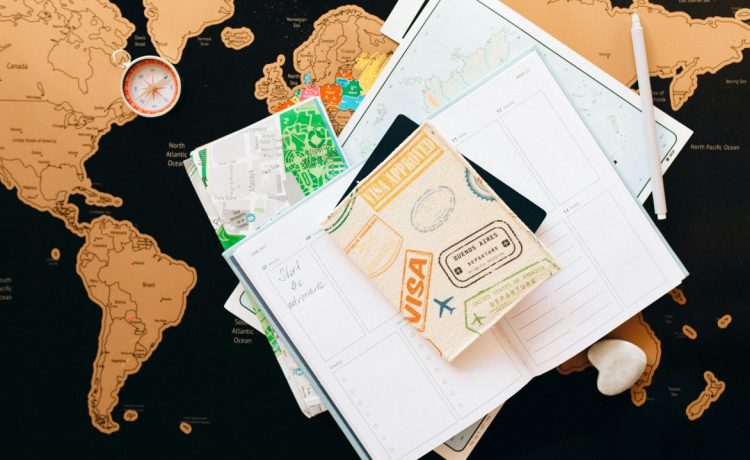
7. Prepare Important Travel Documents
Before your trip, ensure all required documents are ready.
Essential documents may include:
- Passport
- Visa (if required)
- Travel insurance
- Flight tickets
- Hotel confirmations
- Identification cards
Keep both digital copies and printed copies in case of emergencies.
8. Pack Smart and Light
Packing efficiently makes traveling easier and avoids unnecessary baggage fees.
Basic packing checklist:
Clothing
- Weather-appropriate outfits
- Comfortable walking shoes
- Sleepwear and undergarments
Essentials
- Toiletries
- Chargers and power adapters
- Medications
- Travel documents
- Reusable water bottle
Travel tip: Use packing cubes to keep your luggage organized.
9. Arrange Local Transportation
Getting around your destination should be planned ahead.
Options may include:
- Public transportation (metro, buses)
- Ride-sharing apps
- Taxis
- Bike rentals
- Car rentals
Research the most convenient and affordable way to travel locally before you arrive.
10. Stay Flexible and Enjoy the Journey
Even the most carefully planned trips can face unexpected changes such as weather delays or schedule changes.
Instead of stressing, try to:
- Stay flexible
- Embrace new experiences
- Explore hidden gems
- Talk to locals for recommendations
Sometimes the best travel memories come from unplanned moments.
Frequently Asked Questions (FAQs)
1. How far in advance should I plan a trip?
Ideally, start planning 3–6 months in advance, especially for international travel or peak tourist seasons.
2. What is the most important step in travel planning?
Setting a realistic budget is crucial because it influences destination choice, accommodation, and activities.
3. How can I save money while planning a trip?
You can save money by traveling during the off-season, booking flights early, comparing prices, and choosing budget accommodations.
4. Should I buy travel insurance?
Yes. Travel insurance protects you from unexpected issues such as trip cancellations, medical emergencies, or lost luggage.
5. Is it better to book tours in advance or after arrival?
For popular attractions, booking in advance is recommended. Smaller activities can often be arranged after arrival.
6. How do I create an efficient travel itinerary?
Group attractions by location, prioritize must-see places, and avoid scheduling too many activities in one day.
7. What should I always carry while traveling?
Always carry important documents, identification, emergency contacts, basic medication, and a backup payment method.