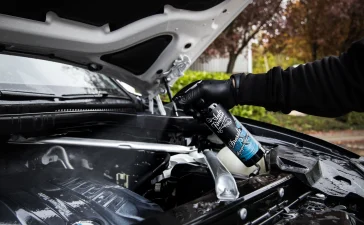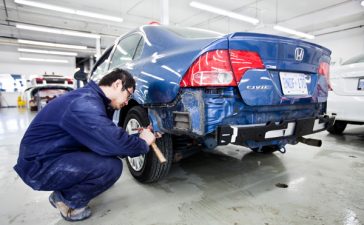


Owning and driving a car is more than simply getting from one place to another. Vehicles require proper understanding, care and responsible usage. This auto guide is designed to provide drivers with detailed knowledge that not only ensures safety but also helps prolong the life of their vehicles. Whether you are a new driver or have years of experience, these insights can make your driving journey more efficient and enjoyable.
Including the auto guide in your reading routine is an excellent way to improve road awareness, vehicle performance, and overall driving comfort. Below, we will explore everything from purchasing the right car to maintaining it properly, managing road conditions, and even understanding modern automotive technologies.
Choosing the Right Vehicle
The first step for any driver is selecting a car that suits their lifestyle and budget. This decision should not be rushed, as the wrong choice can result in higher costs and inconvenience.
Key Considerations when Buying a Car
-
Budget and Finance Options: Decide on a price range and explore whether buying outright, leasing, or financing works best for you.
-
Fuel Type: Consider petrol, diesel, hybrid, or electric based on your driving habits. Urban drivers may benefit from electric, while long-distance commuters may prefer diesel.
-
Vehicle Size and Purpose: A small hatchback may be perfect for city driving, whereas families may need an SUV or estate car.
-
Insurance Costs: Premiums vary by model, age, and driver profile, so always check insurance quotes before committing.
-
Resale Value: Some cars depreciate faster than others, so it is wise to research long-term value.
Essential Vehicle Maintenance
Maintaining your car not only prevents breakdowns but also improves safety and fuel efficiency. A neglected vehicle is more likely to fail when you need it most.
Regular Checks Every Driver Should Perform
-
Tyre Pressure and Tread Depth: Properly inflated tyres improve fuel efficiency and grip.
-
Oil Levels: Checking and topping up engine oil keeps the engine running smoothly.
-
Coolant and Brake Fluid: These fluids prevent overheating and ensure effective braking.
-
Lights and Indicators: Faulty lights not only put you at risk but can also result in fines.
-
Wiper Blades and Washer Fluid: Clear visibility is crucial in poor weather.
Professional Servicing
Even with regular checks, a full service is vital at least once a year. This covers detailed inspections of the engine, exhaust system, brakes, suspension, and electrics. Sticking to the manufacturer’s service schedule keeps your warranty valid and your car in top condition.
Safe Driving Habits
Safety should always be at the forefront of driving. Small mistakes can lead to significant consequences, so adopting the right habits is essential.
Key Principles for Road Safety
-
Always keep a safe following distance from the car in front.
-
Obey speed limits and adjust speed according to weather and traffic conditions.
-
Avoid distractions such as mobile phones, eating, or adjusting controls while driving.
-
Always wear a seatbelt, and ensure all passengers do the same.
-
Stay alert and well-rested to prevent fatigue-related accidents.
Handling Different Road Conditions
-
Wet Roads: Reduce speed, increase braking distance, and avoid sudden manoeuvres.
-
Snow and Ice: Use winter tyres if possible, drive gently, and keep a snow kit in your car.
-
Motorways: Stay in the left lane unless overtaking and be mindful of blind spots.
-
Rural Roads: Expect unexpected hazards such as sharp bends, farm vehicles, or wildlife.
Fuel Efficiency and Eco-Friendly Driving
With rising fuel costs and environmental concerns, efficient driving has become more important than ever.
Ways to Improve Fuel Economy
-
Drive smoothly by avoiding harsh acceleration and braking.
-
Keep your tyres inflated to the recommended levels.
-
Remove unnecessary weight such as roof boxes or heavy luggage.
-
Use air conditioning only when necessary, as it increases fuel consumption.
-
Stick to regular maintenance to ensure the engine performs at its best.
Eco-Friendly Alternatives
Electric and hybrid cars are becoming increasingly popular. For those unable to switch immediately, small changes such as carpooling, route planning, and reducing idle time can significantly reduce carbon emissions.
Understanding Car Insurance and Legal Requirements
Driving without proper insurance or documentation is illegal and can result in severe penalties.
Types of Car Insurance
-
Third-Party Only: The minimum legal requirement, covering damage to others.
-
Third-Party, Fire and Theft: Adds protection if your car is stolen or damaged by fire.
-
Comprehensive: Covers both your car and others, regardless of fault.
Legal Essentials
-
Valid driving licence and up-to-date MOT certificate.
-
Road tax paid in full.
-
Clear display of number plates.
Modern Automotive Technologies
Today’s cars are equipped with advanced technologies that make driving safer and more convenient.
Common Features in Modern Cars
-
Adaptive Cruise Control: Adjusts speed to maintain a safe distance.
-
Parking Sensors and Cameras: Assist in tight spaces.
-
Lane Assist Systems: Warn if you drift unintentionally.
-
Emergency Braking: Automatically applies brakes if a collision is imminent.
-
Infotainment Systems: Provide navigation, hands-free communication, and entertainment.
FAQs
How often should I replace my car tyres?
Tyres should be replaced when the tread depth reaches 1.6mm, which is the legal minimum. However, many experts recommend replacement at 3mm for safety, especially in wet conditions.
What is the difference between an MOT and a car service?
An MOT is a legal safety test ensuring your vehicle meets roadworthiness standards, while a service checks and maintains the vehicle’s performance, fluids, and parts.
Is it worth buying an extended car warranty?
It depends on your vehicle and driving habits. Extended warranties provide peace of mind against costly repairs, particularly for complex systems in modern cars.
Should I warm up my car before driving in winter?
Modern engines do not require prolonged idling. Instead, start driving gently after a minute or so to allow the engine and fluids to warm naturally.
Can eco-driving really save money?
Yes. Driving efficiently can reduce fuel consumption by up to 15%, which translates to noticeable savings over time.