
A car engine is the heart of your vehicle. When it runs smoothly, the entire car performs better, uses fuel efficiently, and avoids expensive repairs. However, many engines fail prematurely due to poor maintenance, neglect, or improper driving habits.
Extending the life of your car engine does not require complicated mechanical knowledge. With consistent maintenance, mindful driving, and regular inspections, you can significantly increase the lifespan of your engine and keep your vehicle reliable for many years.
Why Engine Longevity Matters
An engine replacement is one of the most expensive repairs a vehicle owner can face. Proper maintenance not only saves money but also ensures:
- Better fuel efficiency
- Improved vehicle performance
- Reduced emissions
- Higher resale value
- Fewer unexpected breakdowns
Small maintenance habits can make a major difference in preventing engine wear and internal damage.
Follow a Consistent Oil Change Schedule
Engine oil lubricates moving parts, reduces friction, and prevents overheating. Over time, oil becomes contaminated with dirt and metal particles.
Failing to change oil regularly leads to increased engine wear and sludge buildup.
Best Practices for Oil Maintenance
- Change oil every 5,000–10,000 km, depending on the vehicle and oil type
- Always use the recommended oil grade specified in the owner’s manual
- Replace the oil filter during every oil change
- Check oil level once every few weeks
Clean oil keeps internal components protected and ensures smoother engine operation.
Keep the Cooling System in Good Condition
Overheating is one of the fastest ways to destroy an engine. The cooling system regulates engine temperature using coolant, the radiator, and a water pump.
Cooling System Maintenance Tips
- Check coolant levels regularly
- Replace coolant every 2–5 years
- Inspect hoses and radiator for leaks
- Ensure the radiator fan works properly
A properly maintained cooling system prevents overheating and protects engine components from thermal damage.
Replace Air Filters on Time
Your engine needs a precise mixture of air and fuel for efficient combustion. A clogged air filter restricts airflow, forcing the engine to work harder.
Signs of a Dirty Air Filter
- Reduced fuel efficiency
- Sluggish acceleration
- Black smoke from exhaust
- Engine misfires
Replacing the air filter every 12,000–20,000 km improves airflow and enhances engine performance.
Avoid Aggressive Driving
Driving habits play a major role in engine health. Frequent hard acceleration, sudden braking, and high RPM driving can strain engine components.
Healthy Driving Habits
- Accelerate gradually
- Avoid revving the engine unnecessarily
- Maintain steady speeds on highways
- Allow the engine to warm up in cold weather
Gentle driving reduces mechanical stress and helps components last longer.
Use High-Quality Fuel
Low-quality or contaminated fuel can cause carbon buildup, knocking, and injector damage.
To maintain engine efficiency:
- Use fuel from reputable fuel stations
- Follow the octane rating recommended by the manufacturer
- Occasionally use fuel system cleaners
Clean fuel improves combustion and prevents deposit buildup in the engine.
Inspect Spark Plugs and Ignition Components
Spark plugs ignite the air-fuel mixture inside the engine cylinders. When they wear out, the engine misfires, runs inefficiently, and wastes fuel.
Spark Plug Maintenance Tips
- Replace spark plugs every 30,000–100,000 km depending on type
- Check ignition coils if misfires occur
- Use manufacturer-recommended spark plugs
Proper ignition ensures smooth engine operation and optimal power output.
Pay Attention to Warning Lights
Modern vehicles include dashboard warning systems that detect engine problems early.
Ignoring warning lights can lead to serious engine damage.
Common indicators include:
- Check Engine Light
- Oil Pressure Warning
- Engine Temperature Warning
If a warning light appears, diagnose the issue as soon as possible to avoid costly repairs.
Perform Regular Engine Inspections
Routine inspections help identify problems before they escalate.
Look for:
- Oil leaks
- Coolant leaks
- Unusual engine noises
- Excessive exhaust smoke
- Loose belts or hoses
Regular checks ensure your engine remains in optimal condition and prevents minor issues from becoming major failures.
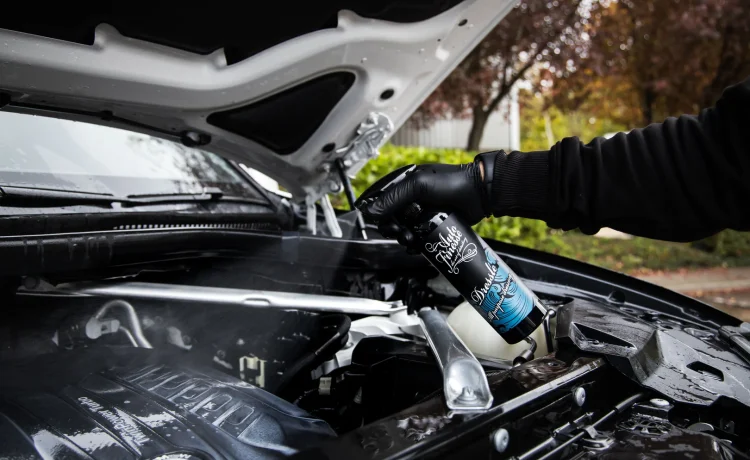
Keep the Engine Clean
Dirt and debris can accumulate in the engine bay and affect components such as sensors and belts.
Occasional engine cleaning helps:
- Prevent corrosion
- Improve heat dissipation
- Make leaks easier to detect
Always avoid spraying sensitive electrical components directly when cleaning the engine.
Final Thoughts
Extending the life of your car engine comes down to consistent care and smart driving habits. Simple practices such as regular oil changes, maintaining the cooling system, replacing filters, and using quality fuel can significantly increase engine longevity.
When these habits become part of routine vehicle maintenance, your engine can run efficiently for hundreds of thousands of kilometers, saving money while keeping your vehicle dependable.
Frequently Asked Questions (FAQ)
1. How long should a car engine normally last?
A well-maintained engine can last 200,000–300,000 kilometers or more, depending on driving conditions and maintenance habits.
2. What is the most important maintenance task for engine longevity?
Regular engine oil changes are the most critical maintenance task because oil reduces friction and prevents internal wear.
3. Can short trips damage the engine?
Yes. Frequent short trips may prevent the engine from reaching optimal temperature, which can cause oil contamination and carbon buildup.
4. Does premium fuel make engines last longer?
Not necessarily. Engines should use the octane rating recommended by the manufacturer. Using higher octane than required does not extend engine life.
5. How can I tell if my engine is overheating?
Signs include:
- Rising temperature gauge
- Steam from the hood
- Coolant smell
- Warning lights on the dashboard
Immediate action is necessary to prevent engine damage.
6. Do engine additives help extend engine life?
Some additives can help clean deposits, but they should not replace proper maintenance such as oil changes and filter replacements.
7. Is it bad to rev the engine frequently?
Yes. Constant high RPM driving increases engine wear, heat, and stress, which can shorten the lifespan of internal components.