

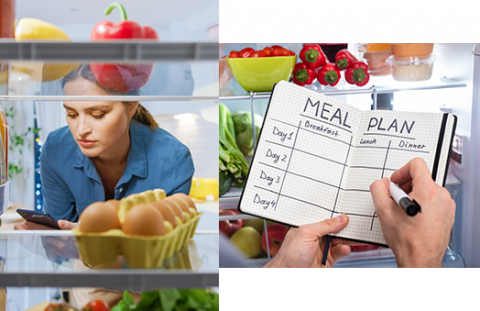
Healthy eating often sounds complicated, but it becomes simple when you understand meal planning. Instead of deciding what to eat at the last minute, meal planning helps you organize balanced meals for the entire week. It saves time, reduces food waste, and makes it easier to maintain a nutritious diet.
For beginners, the key is not perfection but consistency and simplicity. With a few basic principles and a structured approach, anyone can build healthy eating habits that last long term.
What Is Healthy Meal Planning?
Healthy meal planning means preparing and organizing meals in advance while ensuring balanced nutrition. It involves selecting foods that provide essential nutrients such as protein, fiber, vitamins, and healthy fats.
A well-planned meal usually includes:
- Lean protein – chicken, fish, eggs, tofu, beans
- Whole grains – brown rice, oats, quinoa, whole wheat bread
- Fruits and vegetables – fresh, frozen, or seasonal varieties
- Healthy fats – nuts, seeds, olive oil, avocado
The goal is to create meals that fuel your body, stabilize energy levels, and support overall health.
Why Meal Planning Is Important
Many beginners struggle with healthy eating because decisions are made when they are already hungry or tired. Meal planning eliminates this problem.
Key benefits include:
- Better nutrition: Balanced meals ensure adequate vitamins and minerals
- Time savings: Cooking once for multiple meals reduces daily effort
- Cost efficiency: Buying planned groceries prevents impulse purchases
- Reduced food waste: Ingredients are used purposefully
- Healthier choices: Prepared meals reduce reliance on fast food
Over time, meal planning builds a sustainable routine that supports long-term wellness.
Steps to Start Healthy Meal Planning
Starting small makes the process manageable. Beginners can follow a few simple steps to build a reliable routine.
1. Define Your Weekly Meals
Begin by planning 3–4 simple meals you enjoy. These can repeat throughout the week.
Example structure:
- Breakfast options
- Lunch options
- Dinner options
- Healthy snacks
Keeping meals simple reduces decision fatigue.
2. Create a Balanced Plate
A practical way to build meals is the balanced plate approach.
Try dividing your plate into portions:
- ½ vegetables and fruits
- ¼ lean protein
- ¼ whole grains or complex carbs
This structure naturally supports healthy nutrition without complicated calculations.
3. Build a Grocery List
Once meals are selected, create a list based on ingredients needed.
A beginner grocery list might include:
- Fresh vegetables (spinach, carrots, broccoli)
- Fruits (bananas, apples, berries)
- Protein (eggs, beans, chicken, tofu)
- Whole grains (oats, brown rice, quinoa)
- Healthy fats (olive oil, nuts, seeds)
Shopping with a list helps you stay focused and avoid unnecessary purchases.
4. Prepare Ingredients in Advance
Meal preparation does not mean cooking everything at once. Sometimes prepping ingredients is enough.
Helpful prep tasks include:
- Washing and chopping vegetables
- Cooking grains in bulk
- Marinating proteins
- Portioning snacks into containers
These small steps make daily cooking faster and less stressful.
5. Keep Meals Simple
Beginners often make the mistake of planning complex recipes. Instead, focus on easy, repeatable meals.
Examples:
- Oatmeal with fruit and nuts
- Rice bowl with vegetables and grilled chicken
- Whole-grain toast with eggs and avocado
- Yogurt with berries and seeds
Simple meals are easier to maintain consistently.
Example Beginner Weekly Meal Plan
Here is a simple sample plan that demonstrates balance and variety.
Breakfast
- Oatmeal with banana and almonds
- Greek yogurt with berries
- Whole-grain toast with eggs
Lunch
- Quinoa salad with chickpeas and vegetables
- Brown rice bowl with grilled chicken and broccoli
- Whole-grain wrap with hummus and vegetables
Dinner
- Baked salmon with roasted vegetables
- Lentil soup with whole-grain bread
- Stir-fried tofu with mixed vegetables and rice
Snacks
- Fresh fruit
- Nuts or seeds
- Yogurt
- Carrot sticks with hummus
This structure keeps meals nutritionally balanced and easy to prepare.
Common Mistakes Beginners Should Avoid
Even simple meal planning can go wrong without awareness of common pitfalls.
Avoid these mistakes:
- Planning too many complicated recipes
- Buying ingredients without a clear meal plan
- Ignoring portion balance
- Skipping snacks and becoming overly hungry
- Not preparing ingredients in advance
Learning from these mistakes helps make meal planning more sustainable and enjoyable.
Tips for Long-Term Success
Healthy meal planning becomes easier with practice. A few strategies help beginners stay consistent.
Practical tips:
- Start with 3 planned days instead of a full week
- Use seasonal ingredients for freshness and affordability
- Cook extra portions for leftovers
- Store meals in clear containers for convenience
- Adjust plans based on your schedule
The goal is not rigid rules but creating a flexible system that fits your lifestyle.
Conclusion
Healthy meal planning is one of the simplest ways to improve diet quality and maintain consistent eating habits. By choosing balanced ingredients, preparing meals in advance, and keeping recipes simple, beginners can build a routine that supports long-term health.
Over time, meal planning becomes less about strict structure and more about developing awareness of what your body needs. With practice, it transforms healthy eating from a challenge into an everyday habit.
FAQ
1. How far in advance should I plan my meals?
Most beginners find it helpful to plan meals one week at a time. This keeps grocery shopping organized while allowing flexibility for schedule changes.
2. Is meal planning expensive?
Not necessarily. In fact, meal planning often reduces grocery costs because it prevents impulse buying and minimizes food waste.
3. Can I meal plan if I have a busy schedule?
Yes. Simple meals, batch cooking, and prepped ingredients make meal planning very effective for busy lifestyles.
4. How many meals should I plan each week?
Start with planning breakfast, lunch, and dinner for 3–5 days, plus a few snacks. This makes the process manageable for beginners.
5. Should I cook everything at once?
No. Some people cook full meals ahead of time, while others prepare ingredients and cook fresh meals quickly during the week.
6. How do I keep meals from becoming boring?
Rotate ingredients, try new spices, and vary cooking methods such as grilling, roasting, or stir-frying.
7. What is the easiest meal planning method for beginners?
The easiest method is choosing a few staple meals you enjoy and repeating them weekly while gradually adding new recipes over time.