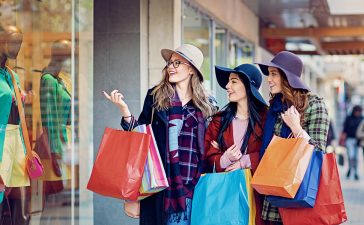

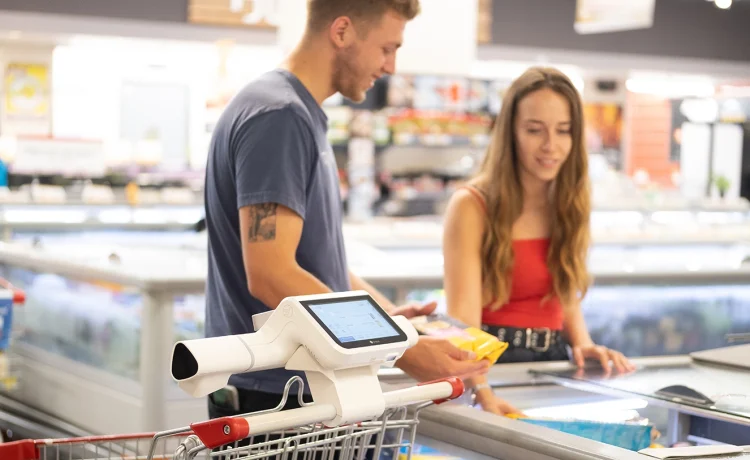
Shopping is one of the most common activities in daily life, whether it involves buying essentials, indulging in fashion, or searching for unique items. With the rise of digital platforms, shopping has evolved from a simple necessity into a versatile and enjoyable experience. To get the most out of it, it helps to understand strategies, trends, and practical tips that make shopping both efficient and rewarding.
In today’s fast-moving world, shopping is no longer just about purchasing goods. It is about balancing convenience, value, and quality. From traditional high streets to bustling online marketplaces, the choices available to consumers are vast, and learning how to navigate them effectively ensures a more satisfying experience.
Understanding the Evolution of Shopping
Shopping has transformed significantly over the decades. Traditionally, people relied on physical stores, often developing long-standing relationships with local retailers. While physical shops remain vital, the digital boom has reshaped consumer behaviour dramatically.
Key stages of shopping evolution
-
Local markets and high streets: Community hubs for daily necessities and social interactions.
-
Department stores and shopping centres: Offering a wide variety of goods under one roof, making the process more convenient.
-
E-commerce platforms: Expanding access globally and enabling purchases with a few clicks.
-
Mobile shopping and apps: Creating opportunities for on-the-go convenience.
-
Sustainable shopping movements: Growing focus on ethical sourcing, eco-friendly packaging, and conscious consumption.
The Psychology of Shopping
Understanding why people shop goes beyond the need for products. Human behaviour plays a large role in shaping shopping habits.
-
Emotional satisfaction: Many purchases provide comfort, joy, or a sense of achievement.
-
Social influence: Trends, recommendations, and peer pressure often guide buying decisions.
-
Practical necessity: Food, clothing, and household goods are essential, driving regular shopping trips.
-
Impulse buying: Offers, discounts, and persuasive marketing trigger unplanned purchases.
Recognising these motivations can help shoppers control spending and make more rational decisions.
Types of Shopping Experiences
In-store shopping
Physical shopping provides sensory experiences that online platforms cannot fully replicate. The ability to touch fabrics, test gadgets, or try on clothing adds a layer of confidence before purchase. In-store shopping also allows immediate possession of items, eliminating waiting times.
Online shopping
Digital platforms offer unmatched convenience and access to global markets. Shoppers can compare products, read reviews, and enjoy doorstep delivery. The rise of same-day or next-day delivery has made online shopping even more appealing.
Hybrid shopping
Many retailers now blend online and offline experiences. Click-and-collect services, virtual try-ons, and interactive apps bridge the gap between physical and digital shopping.
Smart Shopping Tips for Everyday Consumers
Plan before you shop
Creating a list or setting a budget prevents unnecessary spending. This approach reduces impulse purchases and ensures focus on essentials.
Compare before buying
Prices often vary between platforms and shops. Taking the time to compare ensures the best value for money.
Look out for seasonal sales
End-of-season clearances, festive discounts, and promotional events are excellent opportunities to save.
Consider quality over quantity
Investing in durable, high-quality items often saves money in the long run compared to repeatedly buying cheaper alternatives.
Read product reviews
Customer experiences provide valuable insights into product performance and reliability.
Use loyalty programmes
Retailers often reward repeat customers with points, discounts, or exclusive deals.
The Rise of Sustainable Shopping
Modern consumers are increasingly aware of the impact of shopping choices on the environment. Sustainable shopping involves seeking products that are eco-friendly, ethically sourced, and produced with minimal harm to the planet.
-
Reusable items: Bags, bottles, and household products designed for longevity.
-
Eco-friendly packaging: Minimal plastic and biodegradable materials.
-
Support for local businesses: Reducing carbon footprint by choosing nearby producers.
-
Second-hand markets: Thrift shops and resale platforms reduce waste and promote recycling.
Shopping Trends in the UK
The UK retail landscape continues to adapt to consumer needs and economic changes. Key trends include:
-
Growth of online groceries: Particularly popular post-pandemic for convenience.
-
Experiential retailing: Stores focusing on customer experiences, not just transactions.
-
Personalised shopping: AI-driven suggestions and customised offers based on purchase history.
-
Contactless payments: Fast and secure methods becoming the norm.
-
Sustainable preferences: More consumers actively seek eco-conscious products.
Challenges Shoppers Face
Even with convenience, shopping comes with its own set of challenges:
-
Overwhelming choices: Too many options often lead to indecision.
-
Hidden costs: Delivery charges, return fees, or subscription models can surprise buyers.
-
Online scams: Fake websites and counterfeit goods pose risks.
-
Pressure marketing: Limited-time offers and aggressive advertising can cause regretful purchases.
FAQs about Shopping
What is the best time to shop for discounts?
End-of-season sales, Black Friday, Boxing Day, and January sales are traditionally the best times to find significant discounts in the UK.
How can I avoid impulse buying?
Set a budget, create a shopping list, and wait at least 24 hours before making non-essential purchases. This pause helps avoid unnecessary spending.
Is online shopping safer than in-store shopping?
Both have their risks. Online shopping requires caution against scams and secure payment methods, while in-store shopping can involve safety concerns related to carrying cash or crowded environments.
Are loyalty programmes worth it?
Yes, if used wisely. They provide value through points and exclusive deals but should not encourage overspending.
How do I know if a brand is sustainable?
Look for certifications such as Fairtrade, organic labels, or transparent supply chain information provided by the brand.
What are the advantages of shopping locally?
Shopping locally supports small businesses, reduces environmental impact from transportation, and fosters community growth.