
Education plays a central role in shaping not only academic knowledge but also the skills, values, and perspectives that prepare individuals for life. A well-structured education guide provides learners with clear direction, parents with confidence, and teachers with a roadmap to support growth. Whether formal or informal, education is more than just acquiring information; it is about applying knowledge to solve problems, innovate, and adapt in an ever-changing world.
Importance of Education in Modern Society
Education is often described as the key to opportunity. It opens doors to career prospects, promotes social mobility, and enhances personal growth. In today’s global economy, where industries transform rapidly, a strong educational foundation ensures resilience and adaptability.
-
Personal development: Enhances problem-solving, critical thinking, and communication skills.
-
Social contribution: Encourages civic responsibility and empathy within communities.
-
Economic impact: Increases employability and drives innovation across industries.
By focusing on lifelong learning, individuals can continue to thrive beyond formal schooling.
The Stages of Education
Education is not a single phase; it unfolds through multiple stages, each building on the previous one.
Early Childhood Education
This stage is crucial for brain development and socialisation. Play-based learning, story-telling, and interactive activities help children develop curiosity and emotional awareness.
Key focuses include:
-
Developing language and communication skills
-
Encouraging creativity through arts and play
-
Building basic numeracy and problem-solving abilities
Primary Education
At this stage, learners begin to build structured knowledge. Teachers focus on literacy, numeracy, and scientific awareness while also encouraging curiosity.
Core aspects include:
-
Reading comprehension and writing fluency
-
Introduction to scientific inquiry
-
Building social and emotional intelligence
Secondary Education
This stage prepares students for either higher education or vocational pathways. Learners deepen their subject knowledge and begin exploring career interests.
Highlights include:
-
Exposure to diverse subjects such as history, literature, and sciences
-
Development of independent study habits
-
Career guidance and skill-building
Higher and Vocational Education
Students can pursue academic degrees or technical skills depending on their aspirations. Both routes are vital to society’s workforce.
-
Higher education: Develops advanced research, analytical, and professional skills.
-
Vocational training: Equips learners with practical expertise and industry-specific competencies.
The Role of Technology in Education
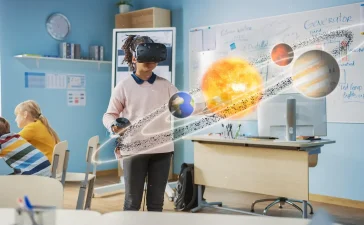
Technology has transformed the way education is delivered. From online classrooms to personalised learning platforms, digital tools create flexibility and accessibility.
Benefits of Educational Technology
-
Personalised learning: Tailored programmes help learners progress at their own pace.
-
Access to resources: Digital libraries, e-books, and online courses expand opportunities.
-
Global connection: Enables collaboration across borders, preparing students for global careers.
However, it is important to balance screen time with interactive, face-to-face learning to ensure holistic development.
Skills for the Future
Modern education is not just about knowledge but about preparing for jobs that may not even exist today.
Essential skills include:
-
Critical thinking and problem-solving: Vital for innovation and decision-making
-
Digital literacy: Understanding and using technology effectively
-
Collaboration and teamwork: Building relationships in diverse environments
-
Adaptability and resilience: Thriving amidst rapid change
Parental Involvement in Education
Parents are a child’s first teachers. Their involvement enhances academic success and emotional stability.
Ways parents can support education:
-
Encouraging reading at home
-
Supporting homework without taking over
-
Communicating regularly with teachers
-
Creating a positive learning environment
Challenges in Modern Education
While progress is evident, challenges remain.
-
Inequality of access: Economic and geographical barriers still limit opportunities.
-
Overemphasis on exams: Sometimes discourages creativity and curiosity.
-
Teacher shortages: Affect the quality of instruction in many regions.
-
Digital divide: Not all learners have equal access to online resources.
Addressing these issues requires collaboration between governments, educators, and communities.
FAQs on Education Guide
What is the difference between formal and informal education?
Formal education takes place in schools, colleges, and universities with structured curricula. Informal education happens outside classrooms through experiences, self-study, and cultural interactions.
How can technology improve education without replacing teachers?
Technology should complement, not replace, teachers. It can automate repetitive tasks, provide additional resources, and personalise learning. Teachers remain essential for guidance, mentoring, and emotional support.
Is vocational education as valuable as university education?
Yes. Vocational education provides practical skills directly relevant to industries. Both academic and vocational routes are important for different career goals and societal needs.
How can students develop lifelong learning habits?
Students can cultivate lifelong learning by staying curious, setting personal goals, reading widely, taking online courses, and applying knowledge to real-life scenarios.
What role does emotional intelligence play in education?
Emotional intelligence helps learners manage stress, build relationships, and collaborate effectively. Schools that integrate emotional learning see better academic and behavioural outcomes.